
The Warehouse Valleys: Reno's Second Economy and Its Ledger
East and north of the city, some of the largest distribution centers in the West run around the clock. Our investigations desk opens the file on the logistics economy — its jobs, its incentives, and its footprint on the valley.
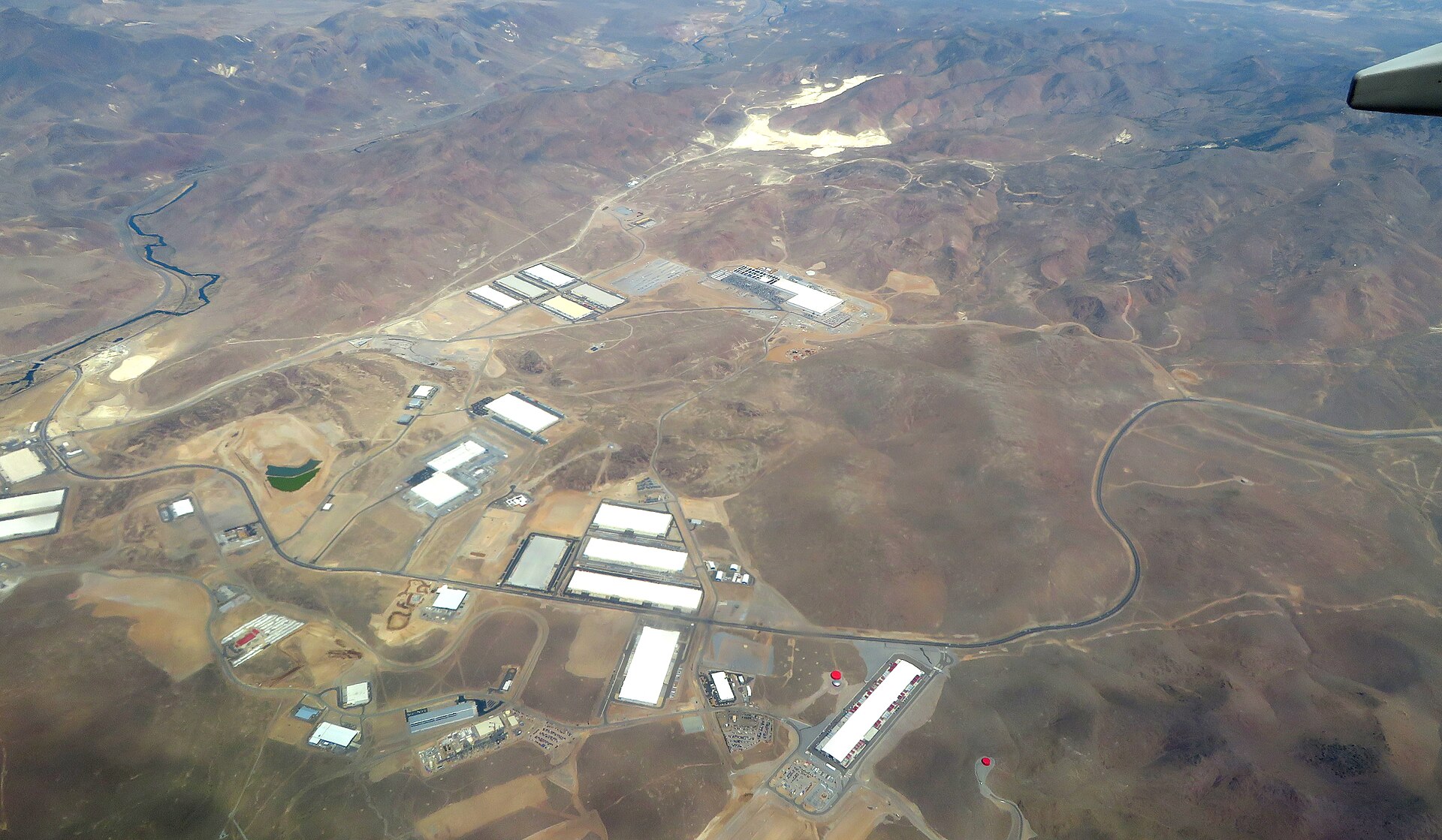
From the air, it is the scale that registers: roof after roof, each the size of a dozen football fields, marching across the valleys east of Sparks and north of Reno — the distribution centers and factories of the region's second economy. The Truckee Meadows and its neighboring valleys have become one of the West's great logistics and advanced-manufacturing hubs, home to distribution operations for national retailers and manufacturers and, further east in Storey County, the vast industrial center that hosts Tesla's Gigafactory and a colony of technology firms.
The logic is Reno's original logic — geography. The region sits a day's truck run from California's ports and consumers, on the interstate and rail crossing of the Sierra, with land, power and a workforce at costs the coast cannot match. State and local governments recruited the growth deliberately, through the regional development authority and with tax abatements that remain a live subject of Nevada politics.
The ledger has two columns, and this desk will keep both. The credit side: tens of thousands of jobs, a tax base diversified away from gaming, wages and training programs that gave the region a second engine when tourism faltered. The debit side: abated taxes are public money by another name; warehouse wages and housing costs have their own arithmetic, which workers do at kitchen tables; truck traffic wears the interstates and the air basin; and the industrial valleys consume the desert at a pace visible from any ridge.
The records are public: abatement agreements through the Governor's Office of Economic Development, county assessor and planning files, NDOT freight plans, air-quality permits. We will read them — the incentive deals company by company, the employment numbers as the state reports them, the traffic and housing data as the region's own agencies publish it — and report what the documents say, including when they say the bargain is working.
Reno has reinvented its economy before, and the reinvention has always had a ledger. Keeping it honestly — for the residents whose valley it is — is what an investigations desk is for.